

Helpline:
Helpline:
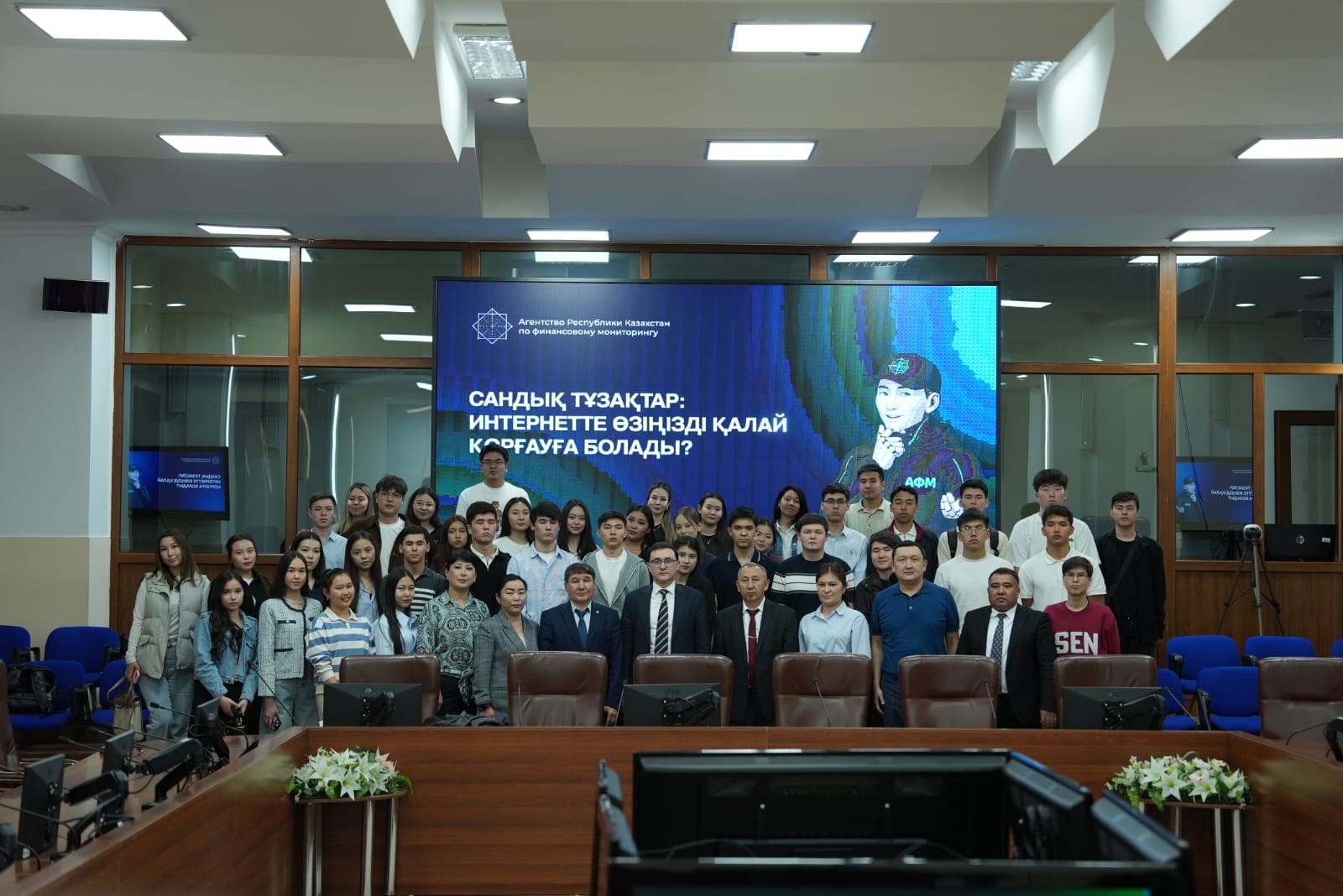
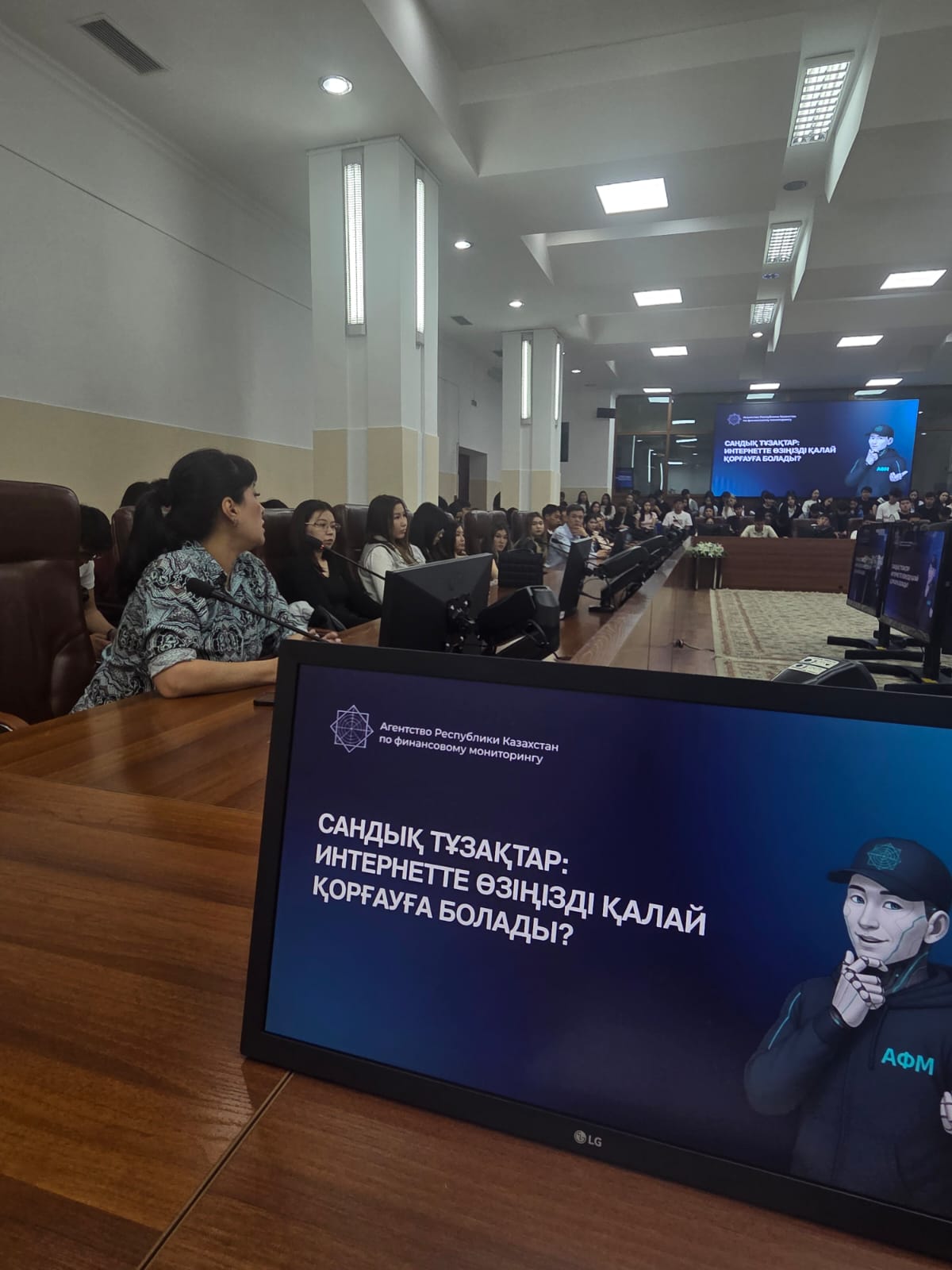
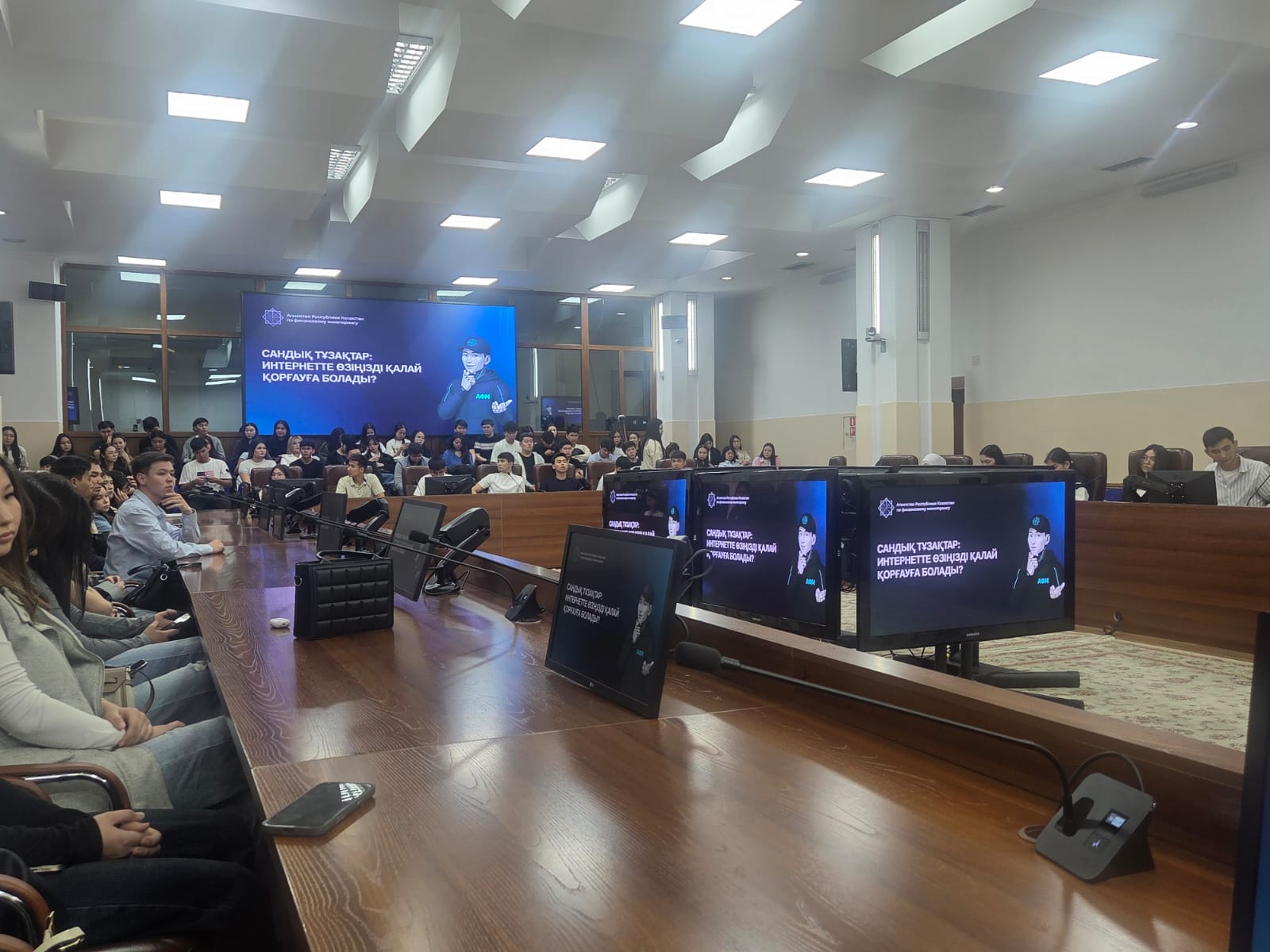
On April 7, 2026, a meeting titled “Digital Traps: How to Protect Yourself on the Internet?” was held at Abai University with the participation of staff members of the Department of Economic Investigations for the Almaty Region of the Financial Monitoring Agency of the Republic of Kazakhstan, the official representative of the Agency Ernаr Taizhan, and representatives of the University’s Anti-Corruption Compliance Service.
The meeting was attended by the official representative of the Financial Monitoring Agency of the Republic of Kazakhstan Ernаr Taizhan, Head of the Administrative Department of the Department of Economic Investigations for the Almaty Region Serikzhan Kóbeyuly Buribayev, Senior Operative Officer for особо important cases of the Organizational Control Department Meruert Yerkinqyzy, as well as the Head of the Anti-Corruption Compliance Service Kurmangazy Madiev, along with the teaching staff and students of the Faculty of History and Law.
During the event, the Head of the Anti-Corruption Compliance Service Kurmangazy Madiev encouraged faculty members and students to remain cautious about fraudulent activities and to follow financial security rules. The official representative of the Financial Monitoring Agency Ernаr Taizhan provided students with detailed information about the most common types of internet fraud, ways to improve digital literacy, and online safety measures.
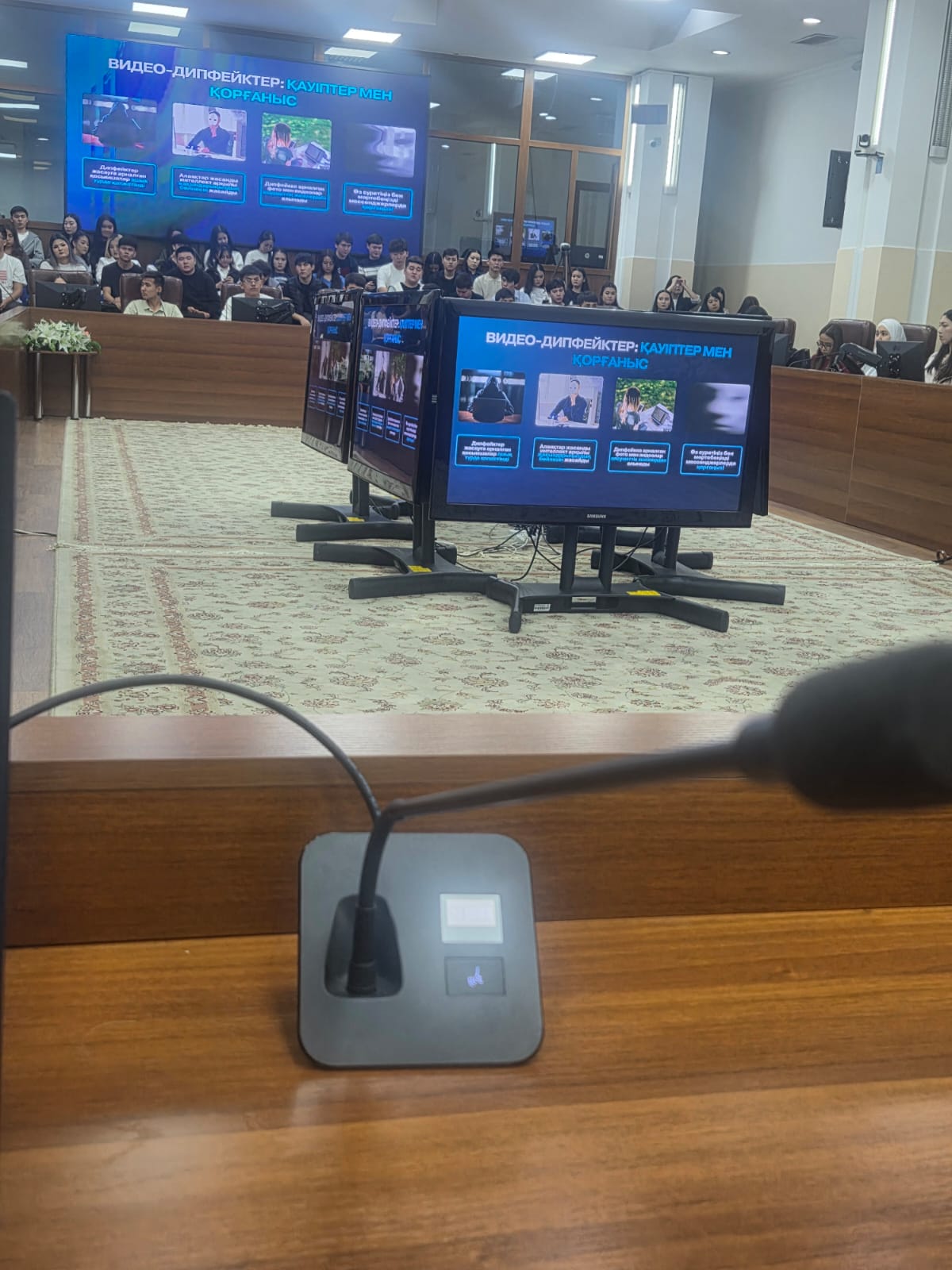
Serikzhan Buribayev and Meruert Yerkinqyzy also delivered speeches, highlighting new types of internet fraud and their risks to society. In particular, participants were informed about the dangers of deepfake technologies. Fraudsters create fake social media accounts pretending to be public figures or trusted individuals. In many cases, such accounts are operated by bots or scammers. Their main goal is to illegally obtain citizens’ financial resources.
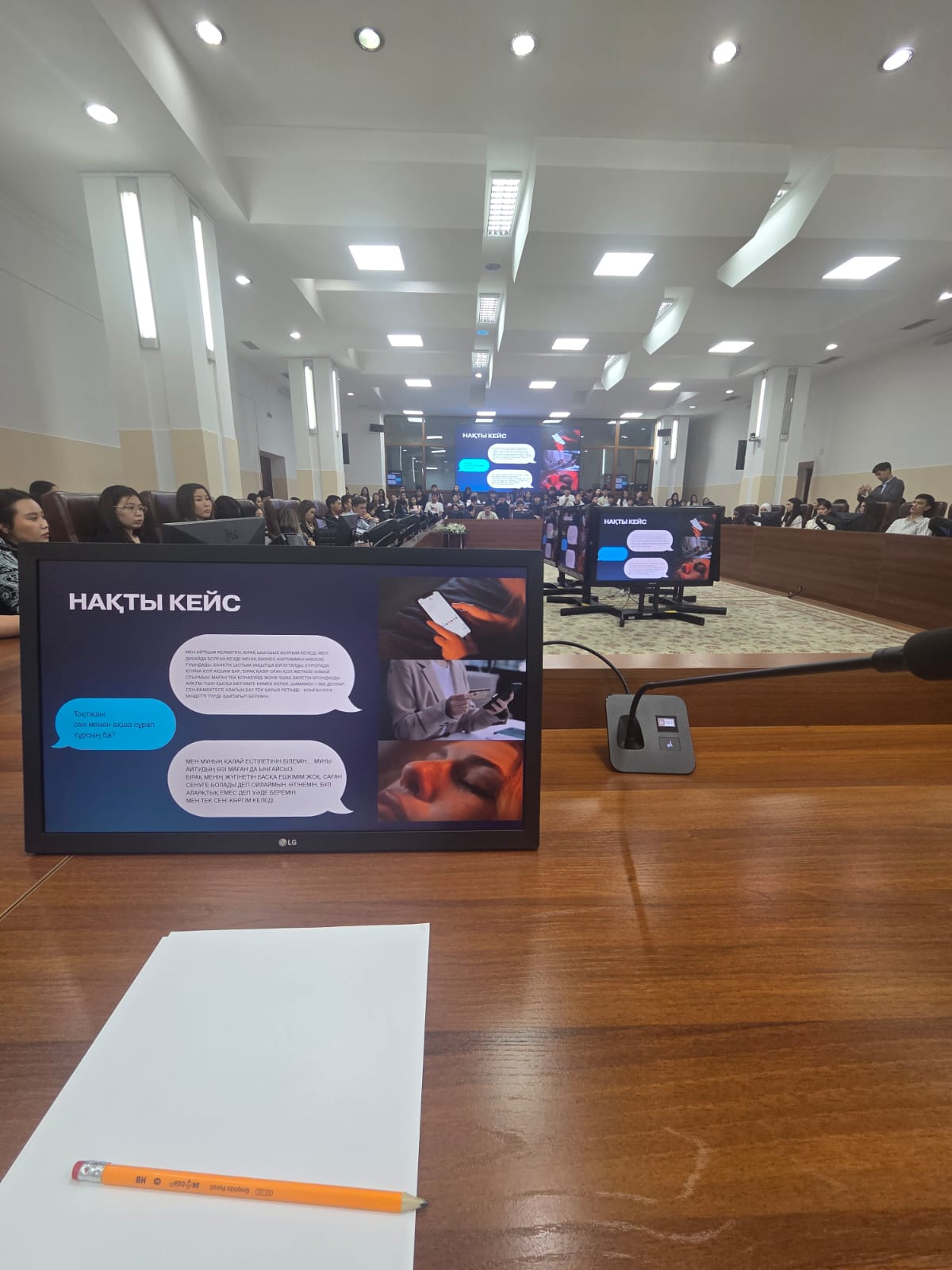
Information was also provided about vishing (voice phishing using artificial intelligence). Using this method, fraudsters can replicate a person’s voice from just a few seconds of recording. They may then contact victims pretending to be relatives or acquaintances and request money under the pretext of urgent assistance. During the meeting, key signs for identifying such deepfake attempts were explained.
Participants were also informed about phishing attacks. Fraudsters attempt to obtain personal data through fake websites and messages. It was also noted that artificial intelligence is used to create highly accurate copies of websites belonging to banks, marketplaces, and other organizations.
At the end of the event, participants were given several practical recommendations to ensure their safety. In particular, they were advised to establish family code words with relatives, independently verify suspicious requests by contacting relatives directly, protect social media accounts using security settings, avoid sending voice messages to unknown persons, and critically evaluate any information received.
Such meetings represent an important step toward developing students’ digital security culture and preventing internet fraud.

Back to back
