

Helpline:
Helpline:
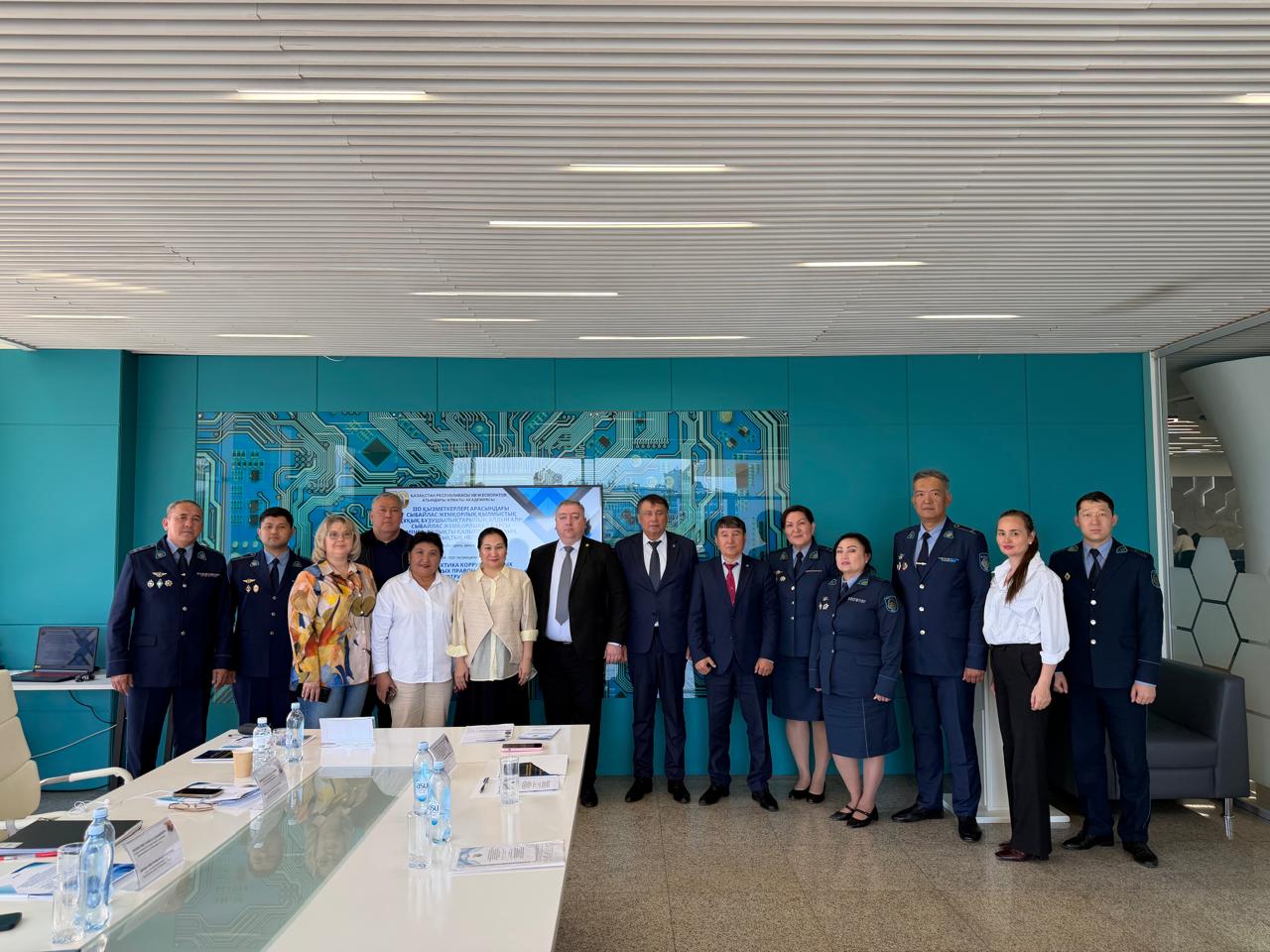
On May 29, 2026, a scientific and practical round table was held on the topic: “Prevention of Corruption-Related Criminal Offenses among Internal Affairs Personnel: Legal Foundations for the Formation of Anti-Corruption Conduct.”
The purpose of the event was to improve the legal foundations for fostering an anti-corruption culture among employees of the internal affairs bodies, as well as to develop scientific and practical recommendations aimed at strengthening the principles of legality, transparency, and professional ethics.
During the round table, participants discussed the scientific analysis of the causes and conditions contributing to corruption-related offenses among internal affairs personnel, identified ways to enhance preventive mechanisms, examined current issues in national anti-corruption legislation and law enforcement practice, and proposed effective legal instruments for combating corruption.
Particular attention was given to strengthening cooperation between departmental institutions and the academic community in order to promote adherence to professional ethics, reinforce the principles of integrity, and cultivate a culture of zero tolerance for corruption. The participants also discussed the exchange of best practices and the introduction of modern approaches to preventive work within law enforcement agencies.
In this regard, compliance officers from higher education institutions were invited to share their practical experience and best practices in preventing corruption-related criminal offenses among internal affairs personnel.
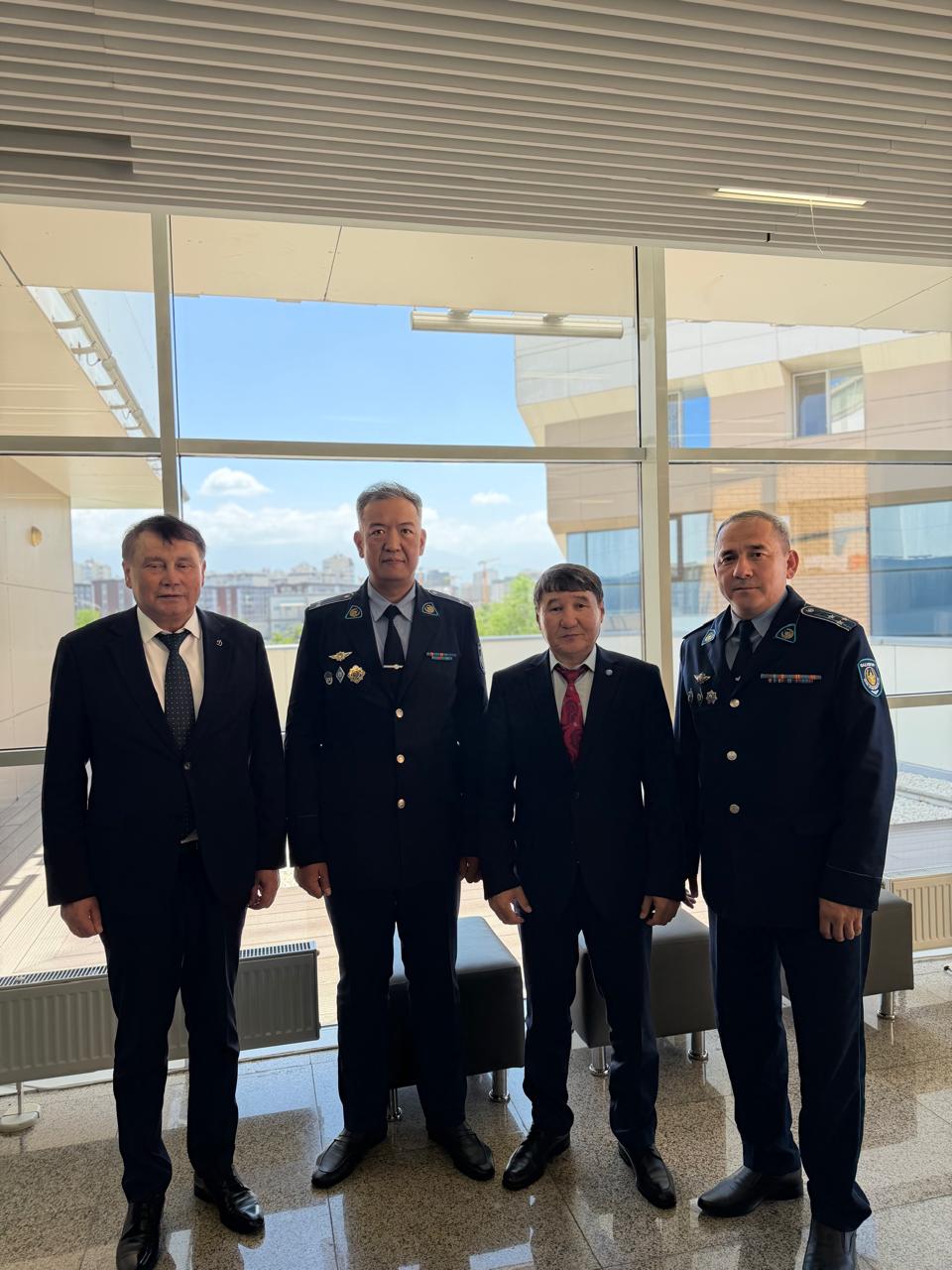
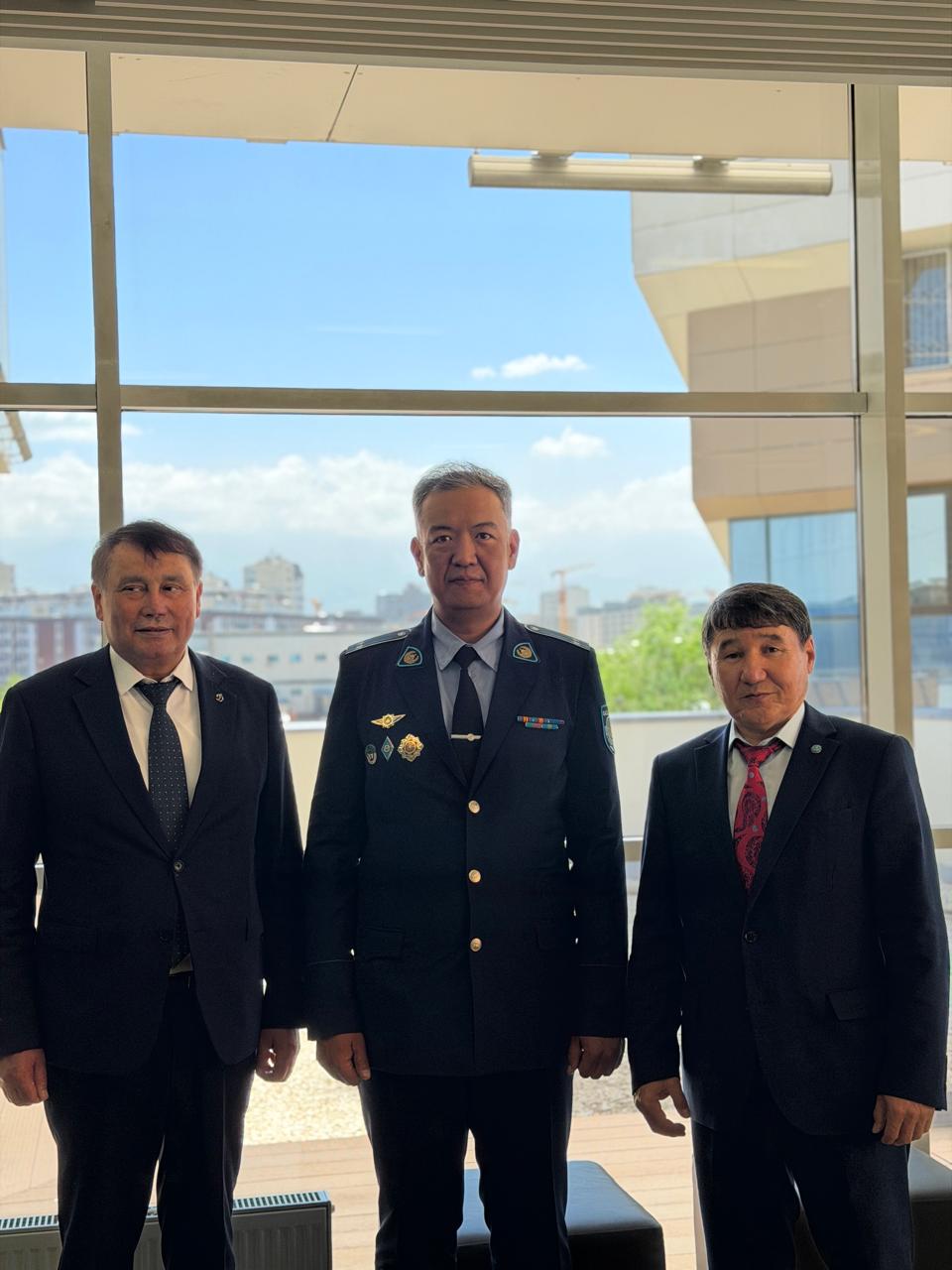
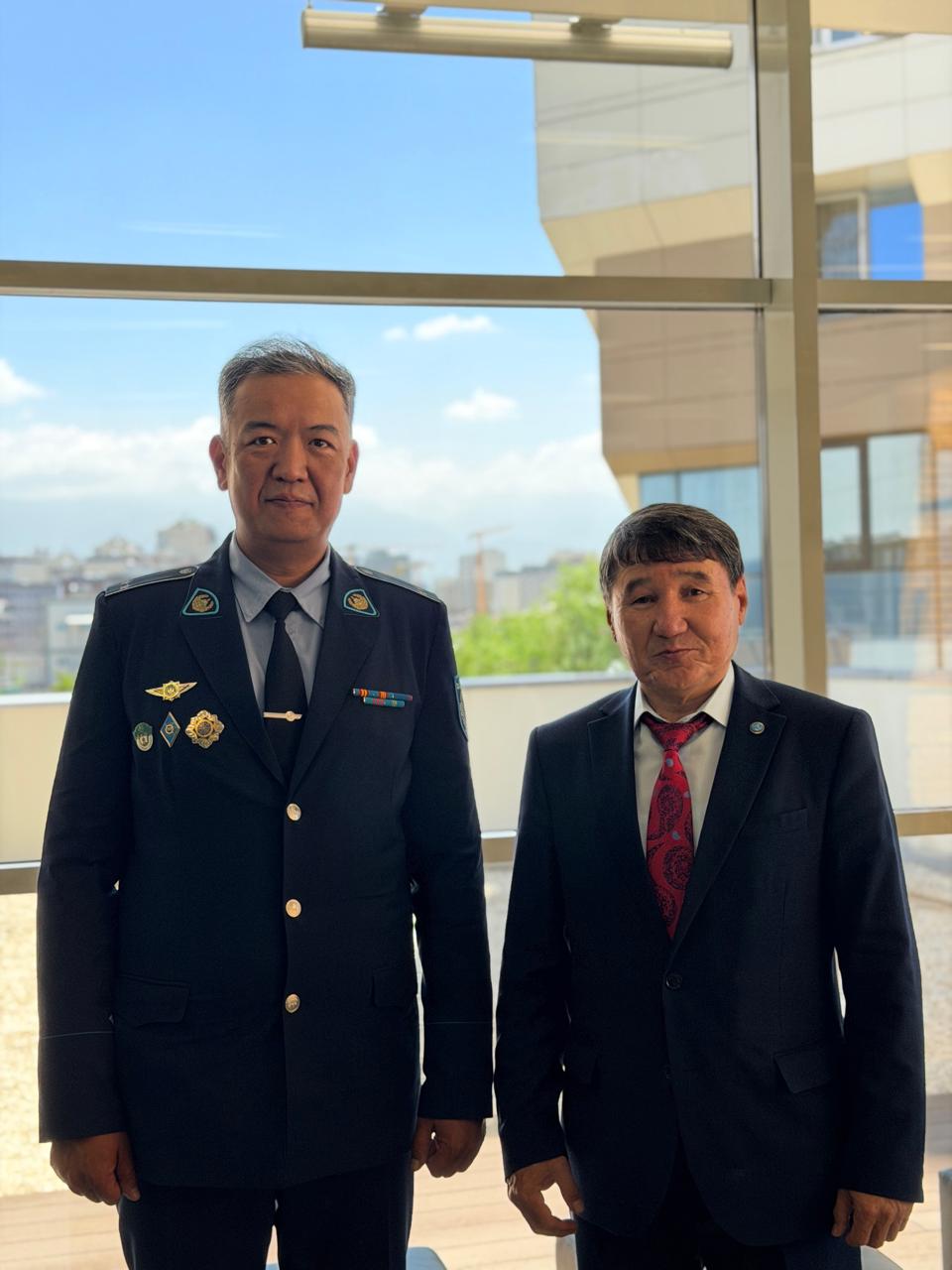
Among the participants was Kurmangazy Madiyev, Chairman of the Veterans’ Council of the Anti-Corruption Service for Almaty Region and Head of the Anti-Corruption Compliance Service at Abai Kazakh National Pedagogical University. He delivered a lecture to employees of the Ministry of Internal Affairs of the Republic of Kazakhstan on the topic: “Observance of Professional Ethics as the Foundation for Implementing the Principle of Integrity among Internal Affairs Personnel.”
Following the round table, participants presented recommendations for further improving efforts aimed at preventing corruption, ensuring compliance with professional ethics standards, and strengthening a culture of integrity within law enforcement agencies.
Back to back
